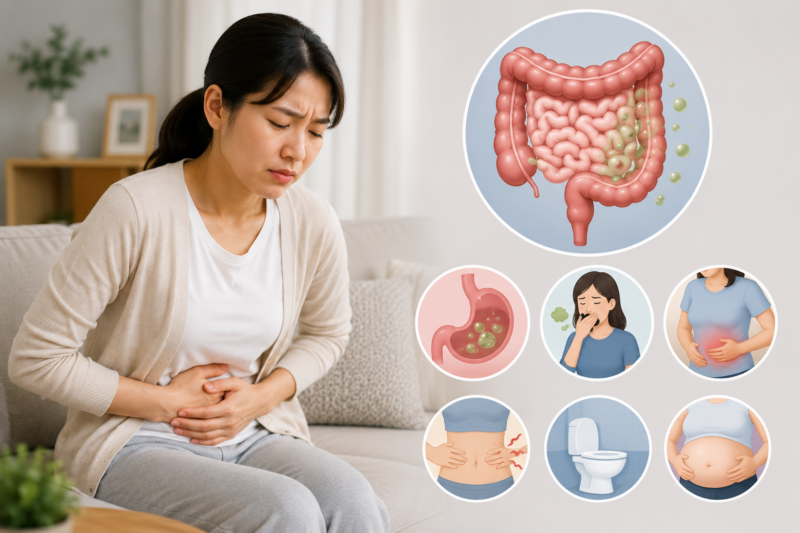
Always Bloated and Gassy? Here's When It's NOT Normal

Do you constantly feel like your stomach is swollen, tight, or full of gas β€” even when you haven’t eaten much?

Maybe you’ve started avoiding certain clothes because they feel uncomfortable by the end of the day. Or perhaps you’re embarrassed by frequent burping, passing gas, or looking “pregnant” after meals.

The truth is this:

πŸ‘‰ Occasional bloating is normal. Constant bloating is not.

While many cases are harmless and treatable, persistent bloating can sometimes signal an underlying digestive condition that shouldn’t be ignored.

Here’s how to tell the difference.
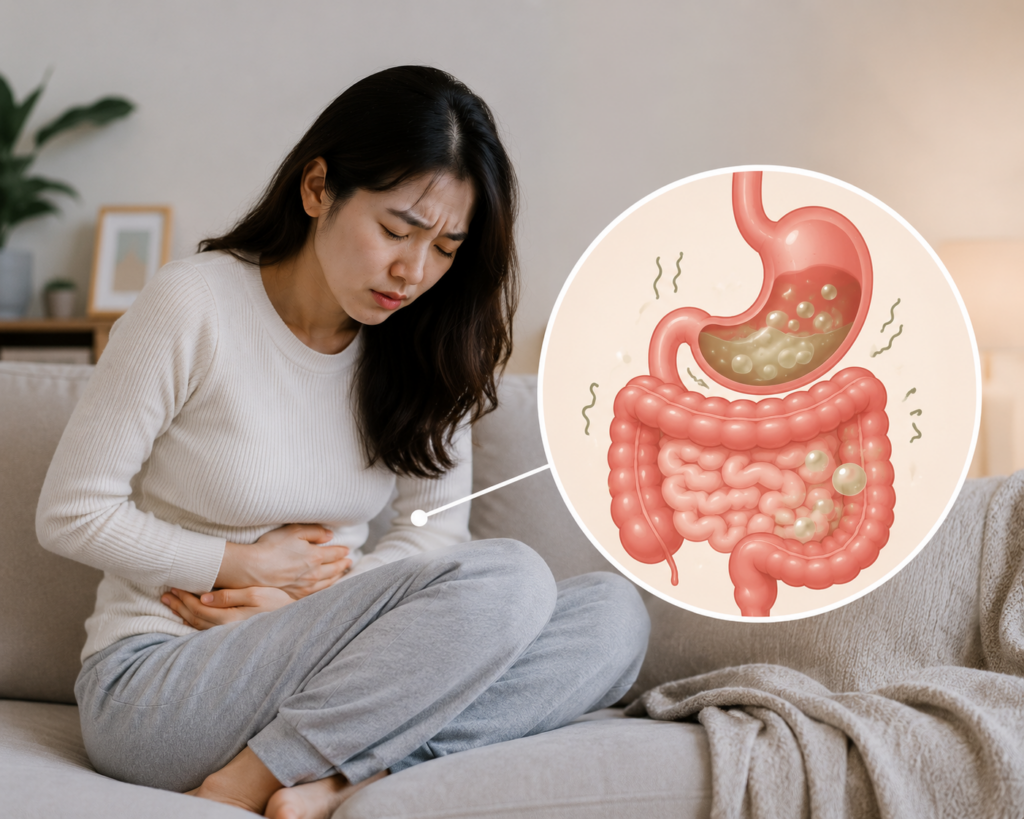
Always Bloated and Gassy? Here's When It's NOT Normal

"Many people accept bloating as part of daily life because they think it's normal. But if you're constantly bloated and gassy, your body may be trying to tell you that something isn't right. The good news is that most causes are treatable once we identify them correctly."

Dr. Kumar

Consultant Surgeon @Sunway Medical Ipoh

What Is Considered "Normal" Bloating?

Always Bloated and Gassy? Here's When It's NOT Normal

Almost everyone experiences bloating occasionally.

Common causes include:

  • Eating too quickly
  • Overeating during celebrations or buffet meals
  • Drinking carbonated beverages
  • Eating gas-producing foods
  • Temporary constipation

In these situations, bloating usually:

  • Improves within a few hours
  • Gets better after passing gas or having a bowel movement
  • Doesn’t significantly affect your daily life

When Bloating and Gas Are NOT Normal

It’s time to pay attention if your bloating:

  • Happens almost every day
  • Persists for weeks or months
  • Is becoming progressively worse
  • Causes pain or cramping
  • Makes you feel full after only a few bites
  • Interferes with work, sleep, or social activities
  • Comes with changes in bowel habits
  • Is associated with unexplained weight loss

These symptoms deserve proper medical evaluation.

Common Causes of Persistent Bloating

1. Irritable Bowel Syndrome (IBS)

IBS is one of the most common reasons people experience chronic bloating.

Symptoms may include:

  • Abdominal discomfort
  • Excessive gas
  • Diarrhea, constipation, or both
  • Symptoms that worsen during stress

Although IBS doesn’t cause permanent damage, it can significantly affect quality of life.


2. Food Intolerances

Your digestive system may struggle to process certain foods.

Common triggers include:

  • Dairy products (lactose intolerance)
  • Gluten-containing foods
  • Onions and garlic
  • Beans and legumes
  • Artificial sweeteners

Many patients notice symptoms shortly after meals.


3. Gastritis and Functional Dyspepsia

Inflammation or irritation of the stomach can lead to:

  • Upper abdominal bloating
  • Early fullness
  • Nausea
  • Burning discomfort

If you frequently experience indigestion after eating, gastritis may be contributing to your symptoms.

πŸ‘‰ Related reading:
Malaysian Foods That Trigger Gastritis


4. Acid Reflux (GERD)

Many people don’t realise that GERD doesn’t always present as heartburn.

Some patients primarily complain of:

  • Bloating
  • Frequent burping
  • Upper abdominal pressure
  • Chest discomfort after meals

πŸ‘‰ Learn more:
Best GERD Treatment Options in Malaysia


5. Gallbladder Disease

Do you notice bloating after oily meals?

Gallstones and gallbladder inflammation can cause:

  • Upper abdominal discomfort
  • Nausea
  • Fullness
  • Gas after fatty foods

Many patients mistakenly assume it’s simply “gastric.”

Could It Be Something More Serious?

Although uncommon, persistent bloating can sometimes be linked to serious conditions.

These include:

Colon Cancer

Warning signs:

  • Persistent bloating
  • Blood in stool
  • Changes in bowel habits
  • Unexplained weight loss
  • Fatigue

Ovarian Conditions

Women who experience:

  • Ongoing abdominal swelling
  • Pelvic discomfort
  • Feeling full quickly

should seek prompt evaluation.


Stomach Cancer

Possible symptoms include:

  • Early satiety
  • Appetite loss
  • Persistent indigestion
  • Weight loss
  • Vomiting

πŸ‘‰ Read more:
When Bloating Could Mean a Serious Disease

Β 


When Should You See a Doctor?

You should seek medical advice if bloating is accompanied by:

  • Vomiting
  • Blood in stool
  • Black stools
  • Persistent diarrhea
  • Severe abdominal pain
  • Difficulty swallowing
  • Unintentional weight loss
  • Symptoms lasting more than 2–3 weeks

Early diagnosis often means simpler treatment and better outcomes.

What Tests Might Be Needed?

Depending on your symptoms, your doctor may recommend:

  • Blood tests
  • Stool tests
  • Ultrasound
  • Endoscopy
  • Colonoscopy
  • CT scans

These tests help identify whether the cause is functional, inflammatory, infectious, or structural.


What Can You Do at Home?

Simple strategies that may help include:

βœ” Eating more slowly

βœ” Avoiding carbonated drinks

βœ” Limiting known trigger foods

βœ” Staying active with regular walking

βœ” Managing stress

βœ” Drinking enough water

However, if symptoms continue despite lifestyle changes, don’t keep self-medicating indefinitely.

Β 

Tired of Feeling Bloated All the Time?

If you’ve been struggling with:

  • Daily bloating
  • Excessive gas
  • Persistent indigestion
  • Changes in bowel habits

πŸ‘‰ Don’t just mask the symptoms.

πŸ“ž Book a consultation with Dr. Kumar today:
Contact Dr. Kumar

Because you shouldn’t have to plan your life around an uncomfortable stomach.

Β 
Β