How to Tell If Your Reflux Is Getting Worse

Acid reflux is common—but when it starts getting worse, it may signal a more serious condition like GERD (Gastroesophageal Reflux Disease). Many people in Malaysia ignore early warning signs until complications develop.

So how can you tell if your reflux is no longer “normal”?

This guide will help you identify clear signs that your acid reflux is worsening, backed by medical evidence and clinical insights.

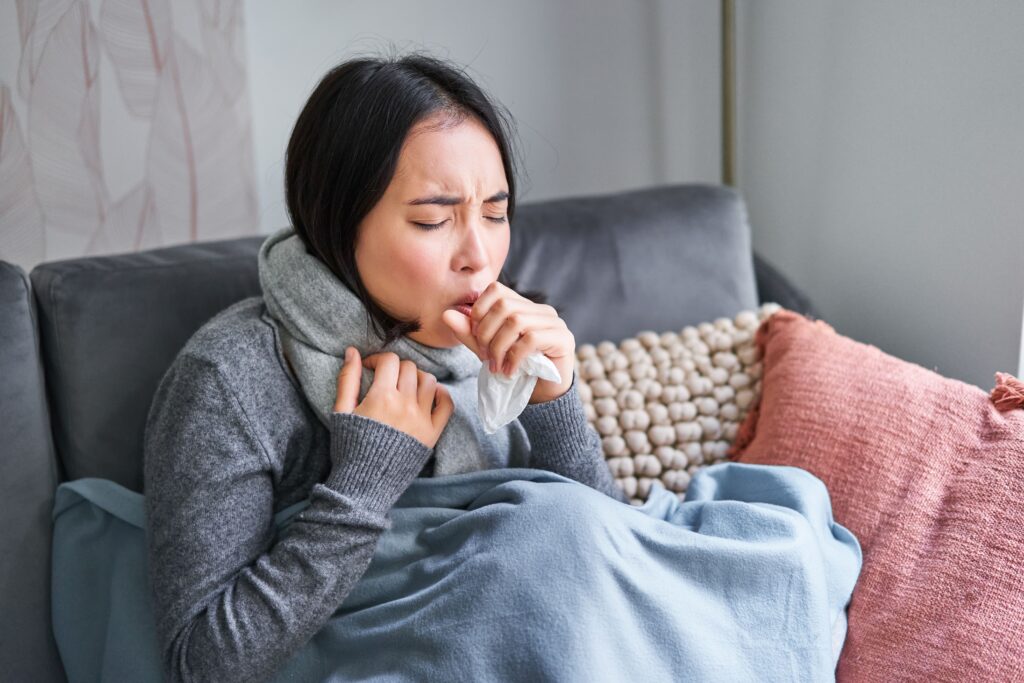
How to Tell If Your Reflux Is Getting Worse.

Many patients try to control reflux by changing food alone. But when weight is a major factor, we need to address the pressure causing the problem — not just the symptoms. That’s when real, lasting relief happens.

Dr. Kumar

Consultant Surgeon @Sunway Medical Ipoh

1. Your Symptoms Are Happening More Frequently

Occasional heartburn after a heavy meal is normal. However, if you’re experiencing symptoms:

  • More than 2 times per week
  • Increasing in frequency over time
  • Occurring even without trigger foods

…it may indicate progression to GERD.

📚 Clinical guidelines (Katz et al., American College of Gastroenterology, 2022) define frequent symptoms as a key diagnostic marker for GERD.👉 Is Long-Term Acid Reflux Medicine Safe?

2. Medications Are No Longer Working

If antacids or medications like PPIs (e.g., omeprazole) used to help—but now:

  • Relief is temporary
  • Symptoms return quickly
  • You need higher doses

⚠️ This may suggest treatment-resistant reflux, which requires further medical evaluation.

👉 Find out the best treatment options available in Malaysia:
👉 Best GERD Treatment in Malaysia


3. You Have Night-Time Symptoms (Nocturnal Reflux)

Worsening reflux often shows up at night.

Warning signs:

  • Waking up with choking or coughing
  • Burning sensation while lying down
  • Poor sleep due to discomfort

📚 Research shows that nocturnal reflux is associated with more severe esophageal damage (Vakil et al., 2006).

4. Difficulty Swallowing (Dysphagia)

If you feel like food is:

  • Getting stuck in your throat
  • Moving slowly down the chest

This could indicate esophageal narrowing (stricture) due to chronic acid exposure.

⚠️ This is a serious red flag and requires immediate medical attention.

5. Chronic Cough, Hoarseness, or Throat Symptoms​

5. Chronic Cough, Hoarseness, or Throat Symptoms

Reflux doesn’t only affect the stomach—it can impact the throat and lungs.

Symptoms include:

  • Persistent dry cough
  • Hoarse voice
  • Frequent throat clearing
  • “Lump in throat” sensation

📚 Studies show that extra-esophageal reflux is often underdiagnosed and linked to chronic respiratory symptoms.

6. You Experience Chest Pain or Tightness

GERD-related chest pain can mimic heart problems.

If your reflux is worsening, you may feel:

  • Burning or squeezing chest discomfort
  • Pain after meals
  • Symptoms that worsen when lying down

⚠️ Always rule out cardiac causes first before assuming it’s reflux.

7. Unexplained Weight Loss or Loss of Appetite

This is one of the most concerning signs.

If you notice:

  • Sudden weight loss
  • Reduced appetite due to discomfort
  • Avoiding food because of pain

…it may indicate complications such as:

  • Severe esophagitis
  • Barrett’s esophagus
  • Even early malignancy (rare but serious)

👉 Understand when to seek specialist care:
👉 When Should You See a Gastroenterologist for Acid Reflux

Why Reflux Gets Worse (The Hidden Causes)

Worsening reflux is often due to:

  • Weakening of the lower esophageal sphincter
  • Hiatal hernia
  • Poor dietary habits
  • Obesity

Psychological Factors (Often Ignored)

Emerging research in psychogastroenterology shows that:

  • Anxiety and stress increase acid sensitivity
  • Patients with higher scores on psychometric tools (e.g., GAD-7, PHQ-9) report worse reflux symptoms

📚 (Van Oudenhove et al., 2016)

👉 This means worsening reflux is not just physical—it can also be mind–gut related.


When Should You See a Doctor in Malaysia?

Seek medical attention immediately if you have:

  • Difficulty swallowing
  • Persistent vomiting
  • Weight loss
  • Severe or worsening symptoms despite medication

Diagnostic tests such as endoscopy may be required.

👉 Learn more here:
👉 Do You Need an Endoscopy for GERD

What You Should Do Next

If your reflux is getting worse:

Step 1: Adjust Lifestyle

  • Avoid trigger foods
  • Eat smaller meals
  • Elevate your head during sleep

Step 2: Review Your Medication

  • Consult a doctor before increasing dosage

Step 3: Get Proper Diagnosis

  • Especially if red flag symptoms appear

Conclusion: Don’t Ignore the Warning Signs

Acid reflux doesn’t usually worsen overnight—but when it does, your body is sending important signals.

Early recognition can:

  • Prevent complications
  • Improve treatment outcomes
  • Reduce long-term risks