GERD Explained: Symptoms, Causes, Treatment, and When to See a Doctor

Heartburn after meals? A sour taste in your mouth when lying down? Constantly reaching for antacids?

You might be experiencing GERD (Gastroesophageal Reflux Disease) — one of the most common digestive conditions affecting Malaysians today.

Many people dismiss reflux as “just gastric.” However, when acid reflux happens frequently, it can significantly affect your quality of life and, in some cases, lead to serious complications if left untreated.

Here’s everything you need to know about GERD — from its symptoms and causes to treatment options and warning signs you should never ignore.
GERD Explained: Symptoms, Causes, Treatment, and When to See a Doctor

"Many patients assume that frequent heartburn is simply part of getting older or eating spicy food. But reflux that happens regularly is not normal. The earlier GERD is diagnosed, the easier it is to manage and the lower the risk of long-term complications."

Dr. Kumar

Consultant Surgeon @Sunway Medical Ipoh

What Exactly Is GERD?

GERD stands for Gastroesophageal Reflux Disease.

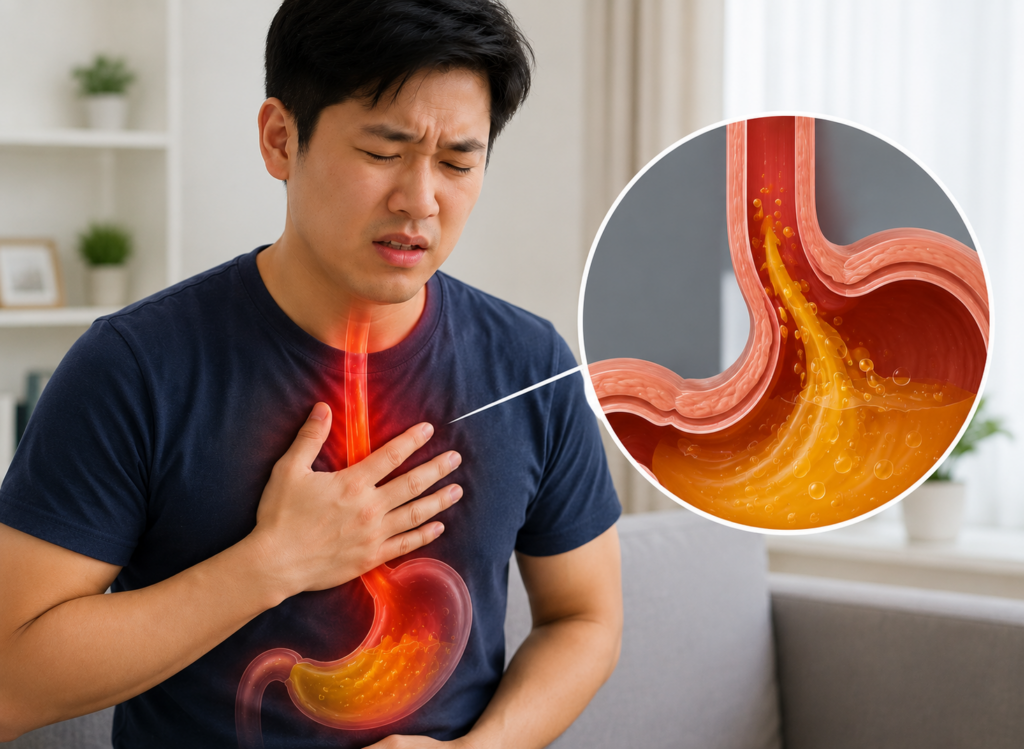
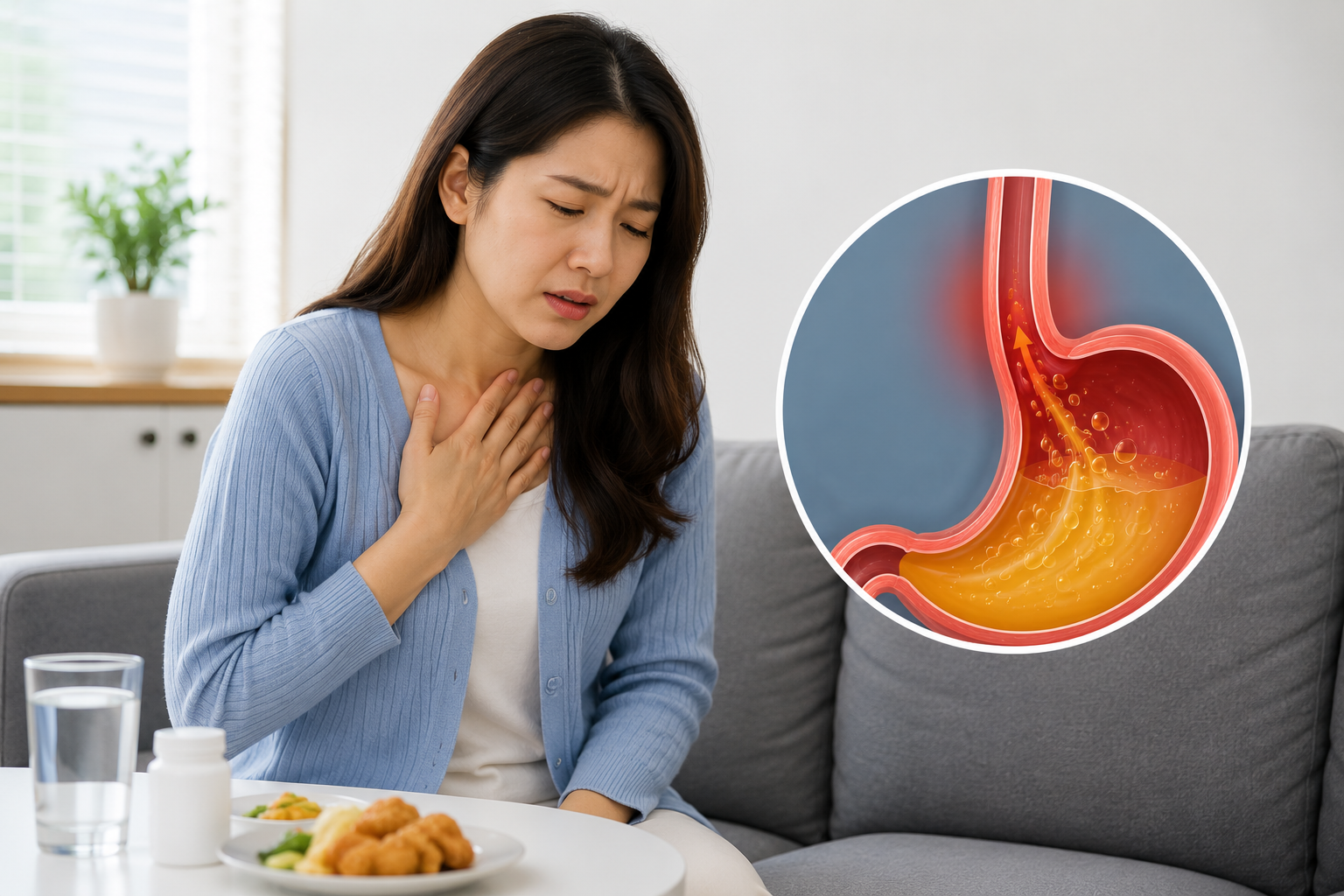
It occurs when stomach acid repeatedly flows backward into the esophagus (food pipe), irritating its lining.

Normally, a muscular valve called the lower esophageal sphincter (LES) acts like a one-way door:

✔ Opens to allow food into the stomach

✔ Closes to prevent acid from coming back up

When this valve becomes weak or relaxes inappropriately, acid can escape into the esophagus, causing the symptoms we commonly call acid reflux.

Common Symptoms of GERD

GERD symptoms can vary from person to person.

The most common symptoms include:

  • Burning sensation in the chest (heartburn)
  • Sour or bitter taste in the mouth
  • Regurgitation of food or acid
  • Frequent burping
  • Bloating after meals
  • Chest discomfort
  • Difficulty swallowing
  • Chronic throat clearing
  • Hoarseness, especially in the morning
  • Chronic cough
  • Waking up choking at night

Many patients are surprised to learn that GERD doesn’t always feel like heartburn.

👉 Related article:
Chest Pain After Meals — GERD or Something Serious?


GERD Explained: Symptoms, Causes, Treatment, and When to See a Doctor

What Causes GERD?

Several factors can contribute to acid reflux.

1. A Weak Lower Esophageal Sphincter (LES)

The LES may fail to close properly, allowing acid to flow upward.


2. Excess Body Weight

Extra abdominal pressure pushes stomach contents toward the esophagus.

Research consistently shows that obesity significantly increases GERD risk.

👉 Learn more:
How Weight Affects Acid Reflux


3. Hiatal Hernia

A hiatal hernia occurs when part of the stomach pushes upward through the diaphragm.

This weakens the anti-reflux barrier and makes symptoms worse.


4. Eating Habits

Certain habits can trigger reflux:

  • Large meals
  • Eating too quickly
  • Late-night suppers
  • Lying down immediately after eating

5. Trigger Foods

Common triggers include:

  • Spicy foods
  • Oily meals
  • Coffee
  • Chocolate
  • Carbonated beverages
  • Alcohol

Not everyone reacts to the same foods, so identifying your own triggers is important.

Why Is GERD Worse at Night?


Many patients notice symptoms become more severe when lying down.

That’s because:

  • Gravity no longer helps keep acid in the stomach
  • Acid remains in contact with the esophagus longer
  • Late dinners increase stomach pressure

Nighttime reflux may cause:

  • Coughing
  • Choking sensations
  • Poor sleep
  • Morning throat irritation

👉 Related article:
Acid Coming Up When Lying Down — What’s Wrong?

How Is GERD Diagnosed?

Doctors often diagnose GERD based on your symptoms.

However, additional tests may be recommended if symptoms are severe or persistent.

These include:

Upper GI Endoscopy

Allows specialists to:

  • Examine the esophagus
  • Detect inflammation
  • Identify ulcers
  • Diagnose Barrett’s esophagus

Imaging and Functional Tests

In selected cases, further investigations may be needed to evaluate:

  • Acid exposure
  • Swallowing function
  • Structural abnormalities

Treatment Options for GERD

The good news?

Most patients improve significantly with proper treatment.

Lifestyle Modifications

Simple changes can make a big difference:

✔ Eat smaller meals

✔ Avoid lying down for 2–3 hours after eating

✔ Avoid trigger foods

✔ Elevate the head of your bed

✔ Stop smoking

✔ Reduce alcohol intake


Weight Management

Even losing 5–10% of body weight can reduce reflux episodes.

👉 Helpful reading:
Weight Loss: Safe & Sustainable Strategies That Actually Work


Medications

Common medications include:

  • Proton Pump Inhibitors (PPIs)
  • H2 receptor blockers
  • Antacids

These reduce acid production and help the esophagus heal.

However, medications may not address the underlying mechanical cause of reflux.


Anti-Reflux Surgery

For patients with:

  • Severe GERD
  • Large hiatal hernias
  • Persistent symptoms despite medication
  • Dependence on long-term acid suppression

Surgery may offer a more definitive solution.

👉 Learn more:
Best GERD Treatment Options in Malaysia

When Should You See a Doctor?

You should seek medical evaluation if you have:

  • Heartburn more than twice a week
  • Symptoms lasting more than a few weeks
  • Difficulty swallowing
  • Food getting stuck
  • Unexplained weight loss
  • Vomiting blood
  • Black stools
  • Chest pain that isn’t clearly related to reflux
  • Nighttime choking episodes

These symptoms require prompt assessment.


Can GERD Become Serious?

Yes.

Long-standing untreated GERD can lead to:

  • Esophagitis (inflammation)
  • Esophageal strictures (narrowing)
  • Barrett’s esophagus
  • Increased risk of esophageal cancer

The good news is that early diagnosis and treatment significantly reduce these risks.

👉 Read more:
Can GERD Turn into Cancer if Not Treated?


Don’t Let GERD Control Your Life

If you’ve been struggling with:

  • Frequent heartburn
  • Acid coming up into your throat
  • Nighttime reflux
  • Chest discomfort after meals
  • Dependence on antacids

👉 Don’t ignore the symptoms.

📞 Book a consultation with Dr. Kumar today:
Contact Dr. Kumar

Because understanding your reflux is the first step toward lasting relief.