
The Most Common Cause: GERD (Acid Reflux)
If your chest pain feels like burning, pressure, or tightness shortly after eating, it may be GERD — Gastroesophageal Reflux Disease.
In GERD, stomach acid flows upward into the esophagus, causing irritation.
Typical GERD-related chest symptoms:
Burning in the middle of the chest
Pain worse when lying down or bending
Sour taste or regurgitation
Belching or bloating
Throat discomfort or hoarseness
Daily or frequent symptoms mean your reflux is chronic and should be evaluated.
👉 Take this: Is It GERD or Something Else? 1-Minute Quiz
👉 Learn more: Why Do I Get Heartburn Every Day?

Other Digestive Causes of Chest Pain After Eating
Chest pain doesn’t always mean a heart attack. Digestive disorders often refer pain to the chest.
Here are the major possibilities:
1. Esophageal Spasm
Feels like:
Sudden squeezing pain
Pressure that mimics a heart attack
Difficulty swallowing
Trigger: very hot, cold, carbonated, or acidic foods.
2. Gastritis or Stomach Inflammation
Pain is usually:
Upper central pain that radiates upward
Worse after spicy or acidic meals
Associated with nausea or bloating
Often caused by H. pylori or long-term NSAID use.
3. Hiatal Hernia
When part of the stomach pushes upward, reflux becomes severe.
Symptoms:
Chest pressure after meals
Bloating, burping
Heartburn lying down
A common but often unnoticed condition.
4. Gallbladder Issues
Pain tends to be:
Right upper stomach or central chest
Triggered by oily, fried, or fatty foods
Can radiate to the shoulder or back
Gallstones and gallbladder dysfunction are common causes.
5. Gas & Bloating
Excess gas can push upward, causing:
Sharp pains
Chest tightness
Difficulty taking deep breaths
Often from food intolerances (lactose, gluten, FODMAP foods).
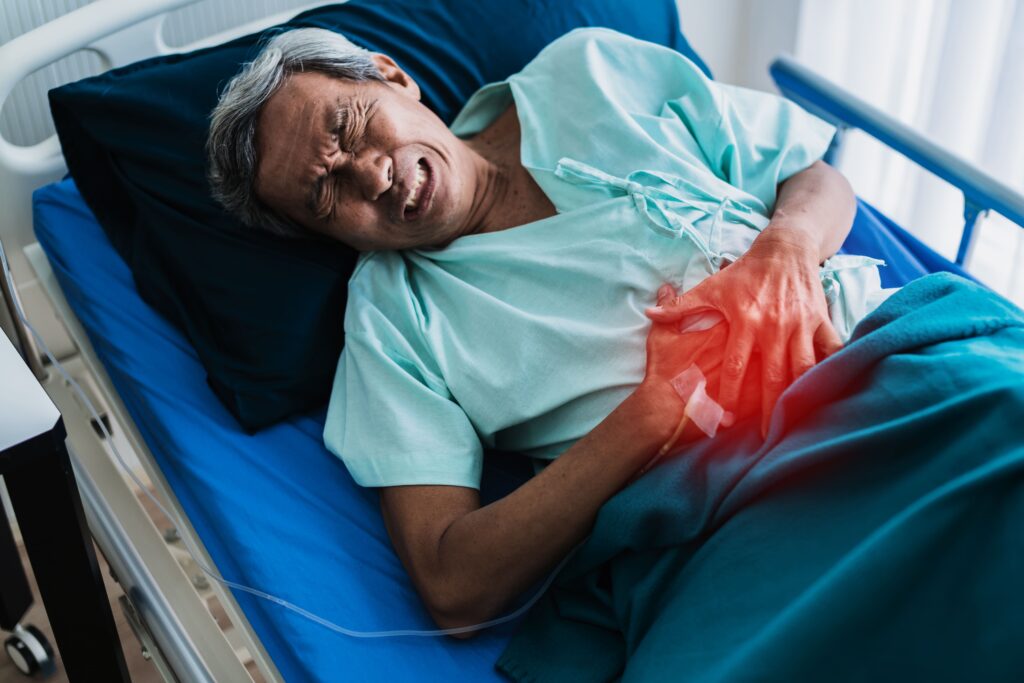
When Chest Pain Is Something Serious
If you’ve been battling acid reflux for years, you’re not alone — but it’s important to know the risks of untreated GERD (Gastroesophageal Reflux Disease):
Chronic esophagitis (inflammation of the food pipe)
Strictures (narrowing from scar tissue) causing swallowing difficulty
Barrett’s esophagus, which increases risk of esophageal cancer
Laryngitis and voice changes
Asthma-like symptoms from acid irritating the airways
🔗 Learn more: Is It GERD or Something Else? Take the 1-Minute Quiz
What Long-Term Reflux Can Lead To
Always seek urgent medical help if chest pain comes with:
Shortness of breath
Sweating
Pain radiating to arm/jaw
Dizziness
Rapid heartbeat
Occurs with exertion rather than after meals
When in doubt — go to the hospital first. Heart-related pain must always be ruled out before assuming it’s digestive.
How Doctors Diagnose the Cause
Your specialist may recommend:
Endoscopy (to assess reflux, gastritis, esophagitis)
ECG / cardiac tests (to rule out heart causes)
Ultrasound (for gallbladder evaluation)
H. pylori testing
Esophageal manometry or pH testing for chronic reflux
Identifying the exact cause means better, faster treatment.
Treatment Depends on the Diagnosis
Depending on the cause, treatment may include:
For GERD:
Medication to reduce acid
Dietary & lifestyle changes
Treating a hiatal hernia
Anti-reflux surgery for severe cases
👉 Learn more:
Life After Acid Reflux Surgery — First 6 MonthsFor gallbladder disease:
Surgery if stones or inflammation are present
For gastritis/ulcers:
Medication + H. pylori eradication
For esophageal spasms:
Avoiding triggers + medication
Get Your Chest Pain Evaluated
If your symptoms keep coming back despite diet changes or meds, don’t ignore them. GERD is treatable—but only
If chest pain is happening after meals, don’t keep guessing.
Book a specialist GI consultation today:
👉 CONTACT US TODAY
Your heart and your digestive system deserve the right answers — and the right care.
if it’s properly diagnosed. Let’s find out what’s really going on.”
If you’ve been battling heartburn, throat irritation, or nighttime reflux for months (or years), it’s time to act.
A simple consultation and scope could protect your esophagus and restore your quality of life.
📞 Book a GI Consultation with Dr. Kumar
Don’t let years of reflux take away your health — or your peace of mind.